RockTumbler
Home
Tumbling
Library
Compare
Tumblers
Rotary
Tumblers
Vibratory
Tumblers
Thumler's
Tumblers
Tumbler
Grit
Tumbler
Polish
Tumbler
Rough
Tumbler
Media
Tumbler
Parts
Tumbled
Stones
Rock
Tools
About
Us
RockTumbler Home
Tumbling Library
Compare Tumblers
Rotary Tumblers
Vibratory Tumblers
Thumler's Tumblers
Tumbler Grit
Tumbler Polish
Tumbler Rough
Tumbler Media
Tumbler Parts
Tumbled Stones
Rock Tools
About Us
Home
» Rock Tumbling Library
Welcome to Our Rock Tumbling Library!
Learn the secrets of rock tumbling. We have helped thousands of people learn about polishing rocks in a tumbler.
New To Tumbling?
Instructions
Grit and Polish
Rough
Media
Rotary Tumblers
Vibratory Tumblers
Maintenance & Parts
RockHounding
Tumbled Stones
Tumbled Stone Crafts
Rock Tumbling Videos
New To Rock Tumbling?
Rock Tumbler Instructions:
A tested recipe for tumbling most rocks in small rotary tumblers.
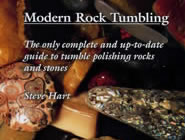
The Best Book About Rock Tumbling:
Steve Hart explains all of the basics and lots of secrets.
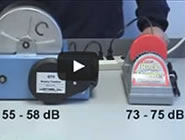
Are Rock Tumblers Noisy?
We compare and explain how to pick a quiet tumbler.
What Happens in a Rock Tumbler?
The amount of rough makes a difference.
How Long Does Rock Tumbling Take?
A short and a detailed answer to this question.
Where to Run Your Tumbler?
Selecting a safe and convenient place for your tumbler.
Amazing Tumbled Stones
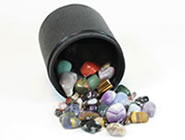
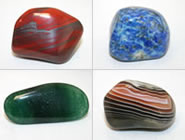
Photos and descriptions of our favorite tumbled stones.
Best Rocks for Tumbling:
What types of rocks perform best in a rock tumbler?
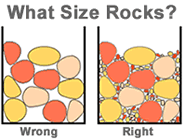
What Size Rocks Should Be Used in a Tumbler?
You need a mix of sizes!
Mohs Hardness is Important!
The standard instructions aren't always the best process.
Cost of Running a Rock Tumbler:
Electricity and grit costs by tumbler size.
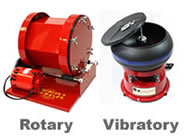
Rotary vs Vibratory Tumblers:
Which type of rock tumbler is best for you?
Before You Buy a Used Rock Tumbler:
Some are perfect, others are a waste of money.
Rock Tumbler Grit for Sale:
We sell all the grits needed for rock tumbling.
Tumbling Rough For Sale:
One of the internet's best selections of tumbling rough.
Return to Top
Instructions
Rock Tumbler Instructions:
A procedure we recommend for tumbling most popular materials.
Printable Tumbler Instructions:
Print them on one page and take to your tumbler.
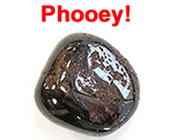
Phooey! My Stones Did Not Take a Nice Polish!
Learn what to do when this happens.
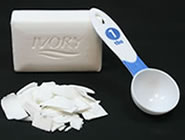
Burnishing:
One short step after polish that can give your stones a better shine!
Can I Use Sand Instead of Grit?
We explain why sand performs poorly in tumbling.
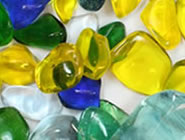
Glass Tumbling Instructions:
How to tumble for a frosted or polished finish.
The Best Rocks for Tumbling:
Most rocks perform poorly. How to select rocks that polish great!
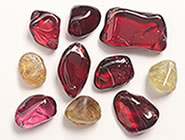
Garnet:
Finding good rough is almost impossible, but polishing it is easy.
Do Your Rocks Have Gas?
Some rocks do produce gas when tumbled.
How We Use the UV-10 Vibratory Tumbler:
Video instructions for you.
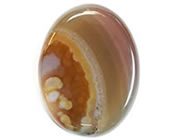
Polishing Cabochons and Beads in a Rock Tumbler:
How to save lots of time.
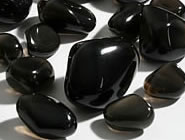
Tumbling Recipe for Obsidian & Apache Tears:
They are not difficult if you are careful.
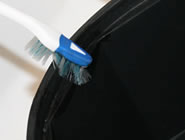
Cleaning a Tumbler Barrel
can give you a much brighter polish and fewer leaks.
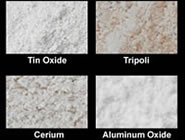
What Polish Should I Use?
A quick lesson on several types of polish and their use in tumbling.
Tips for Tumble Polishing Opal:
You can do a great job or waste a lot of money!
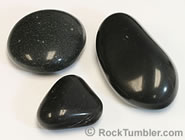
Polishing Basalt in a Rock Tumbler:
It can be polished into beautiful black tumbled stones.
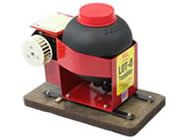
How We Use the Lot-o-Tumbler:
Video and photo tips to help you get great results!
The Best Book About Rock Tumbling:
All of the basics and plenty of secrets.
What Size Rocks Should Be Used in a Tumbler?
A mix of sizes works best.
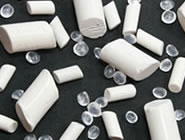
How to Use Rock Tumbler Media:
How to select and use the proper tumbling media.
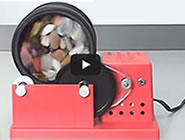
How Much Rough Do I Need in my Barrel?
A video view into a tumbler with a glass lid.
Experimental Rock Tumbling:
Sometimes we skip the fine grit step and still get great results.
Will You Polish This Rock?
Most rocks can not be polished in a rock tumbler.
Electricity Costs of a Rock Tumbler?
How much is that going to run up my electric bill?
Printable Tumbling Log:
Keep a record of your procedures and you will learn a lot!
Return to Top
Grit and Polish
Rock Tumbler Grit for Sale:
We sell all the grits needed for rock tumbling.
What is Silicon Carbide Grit?
Learn about grit and what it does in the tumbler barrel.
Can I Use Sand Instead of Grit?
We explain why sand performs poorly in tumbling.
Which Polish Should I Use?
Basic information on different polishes and why we use TXP.
Aluminum Oxide Polish:
One of the most widely used polishes in rock tumbling.
Cerium Oxide Polish:
One of the first polishes to be widely used in rock tumbling.
Rock Polish for Sale:
We sell the most popular rock polishes and explain how to use them.
Extra Coarse Grit:
What you need to know about its effectiveness.
Borax:
Lots of people use borax. We experimented. Here's what we think.
Return to Top
Tumbling Rough
Best Rocks for Tumbling:
How to select the types of rocks that perform well in a tumbler.
Tumbling Rough For Sale:
One of the internet's best selections of tumbling rough.
What Size Rocks Can Be Tumbled?
For best results use a mix of rock sizes in the barrel.
How Much Rock to Place in the Barrel?
See what happens with too much or too little rough.
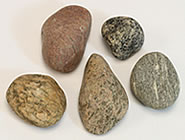
Tumbling Stream- and Beach Rounded Rocks:
It is not as quick as you would expect.
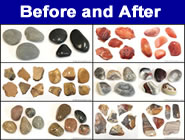
Before and After
photos of many interesting rocks that we have tumbled. Check them out!
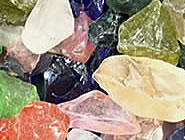
Sources of Colored Glass for Polishing:
Learn where we found some great glass.
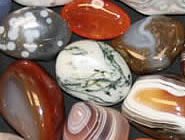
What are Jasper, Agate, and Chalcedony?
How to identify these favorite materials.
How to Polish Ohio Flint:
This stuff is REALLY tough, but tumbles beautifully!
Igneous and Metamorphic Rocks:
Many of them will accept a spectacular polish.
Mohs Hardness is Important!
The standard instructions aren't always the best process.
A Few Materials We Have Tumbled:
Short reports on how we tumbled a variety of items.
Return to Top
Rock Tumbler Media
How to Select the Right Media?
Some simple rules for using media.
Rock Tumbler Media for Sale:
We sell ceramic cylinders and plastic pellets.
Our Media Bucket:
This is how we get high quality tumbled stones.
Return to Top
Rotary Rock Tumbler Information
A-R2 Q and A:
Answers to common questions about the A-R2 tumbler and its operation.
Which Rotary Tumbler is Right For You?
Consider size, price and operating costs.
About the Inexpensive Plastic Tumblers:
Should you buy one - or buy a hobbyist tumbler?
The Difference Between Rotary and Vibratory Tumblers:
Which one is right for you?
A-R1 Tumbler Q and A:
Answers to common machine and operation questions.
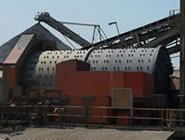
World's Largest Rock Tumblers:
They are not used to make polished stones!
MP-1 Tumbler Q & A:
Answers to common questions we have received about the MP-1.
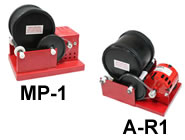
Comparing the MP-1 and A-R1:
Barrel capacity, motor quality, frame, life expectancy.
Rotary Tumblers For Sale:
We sell several different models of rotary tumblers.
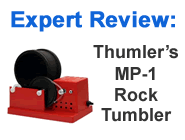
MP-1 Tumbler Review:
Written by an expert with decades of rock tumbling experience.
Return to Top
Vibratory Rock Tumbler Information
Guide for Thumler's Vibratory Tumblers:
How to run and maintain Ultra-Vibe tumblers.
Save Time and Money With a Vibratory Tumbler:
Why lots of people buy vibratory.
Rotary vs. Vibratory:
Which of these rock tumbler types is right for you?
How We Use the Thumler's UV-10 Tumbler:
Video tips on how we use this tumbler.
Vibratory Tumblers For Sale:
We sell four vibratory tumblers. One might be right for you!
How We Use the Lot-o-Tumbler:
Video and photo tips to help you get great results!
Compare Vibratory Rock Tumblers:
Barrel size and available rough are important.
Vibratory Rock Tumbler Bowl Life:
How to get maximum life out of your vibratory bowl.
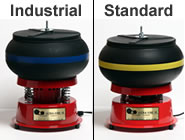
Learn how to tell the industrial version from the standard version for
UV-10
and
UV-18
.
Return to Top
Maintenance and Parts
Thumler's Tumbler Parts:
Parts for current model tumblers from Tru-Square Metal Products.
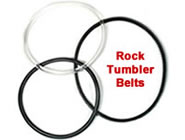
How Long Do Tumbler Belts Last?
If your tumbler eats belts, read this article.
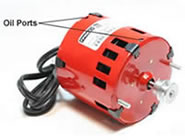
Oiling a Thumler's Tumbler:
Where to oil your A-R1, A-R2, A-R12, & Model B tumblers.
Parts for Vintage Rock Tumblers:
Parts for most older brands are no longer available.
Replacing a Lortone Belt:
It's a very easy job if you have a screwdriver.
Lot-o-Tumbler Parts:
Barrels, lids, springs, and fans for the Lot-o Single and Twin.
Model B Barrel Dimensions:
Many people ask about the liner and lid gasket dimensions.
Leaking Tumbler Barrel?
Most rock tumbler barrel leaks are easy to fix.
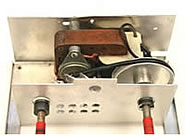
Replacing a UV-10 Motor:
It takes time but can be done with just a few tools.
Rock Tumbler Manufacturers:
A list of tumbler brands and how to contact them if you need help.
Rock Tumbler Motors Run Hot:
Don't panic if your motor is very warm to the touch.
Return to Top
RockHounding
Fee Mining and Digging Sites:
Where you can hunt rocks and keep what you find.
What are Jasper, Agate, and Chalcedony?
How to identify these favorite materials.
Rock and Mineral Clubs Across the U.S.
Over 450 clubs are listed with their city location.
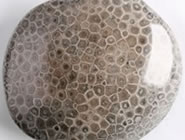
Polished Petoskey Stones
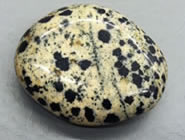
What is Dalmatian Stone?
Return to Top
Tumbled Stones
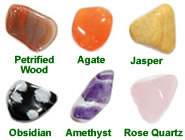
Polished Stone Identification Guide
Printable Tumbled Stone Identification Chart
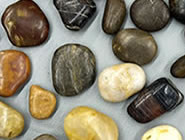
River Stones
Are Tumbled Stones Valuable?
What are Jasper, Agate, and Chalcedony?
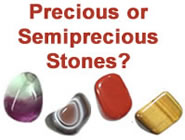
Precious vs Semiprecious Stones
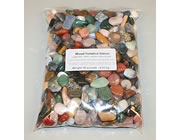
How Our Tumbled Stones Are Made, Sorted and Packaged
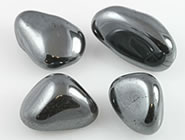
The Properties of Hematite
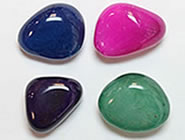
Dyed Stones and How to Identify Them
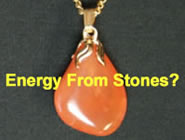
Energy From Stones?
Fifty Gemstones From Around the World
Tumbled Stones for Sale
Amazing Tumbled Stones From Our Collection
Sea Glass vs Tumbled Glass
Ocean Jasper
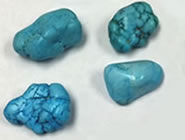
Dyed Howlite and Magnesite: The Turquoise Impostors
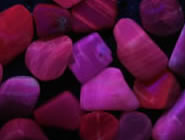
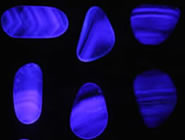
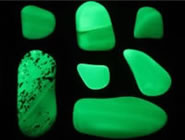
Fluorescent Moonstone
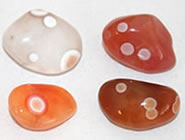
What Are Eye Agates?
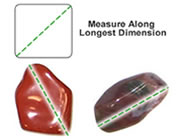
How Our Tumbled Stones are Measured
Fluorescent Fluorite
How Much Do Tumbled Stones Weigh?
The History of Rock Tumbling
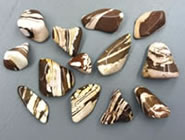
Zebra Jasper
Fluorescent Opal
Return to Top
Tumbled Stone Crafts
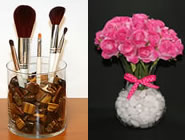
Tumbled Stones Work Great as a Vase Filler
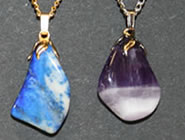
Steps for Making a Necklace
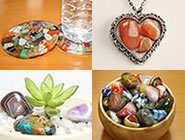
Uses for Tumbled Stones
Glue and Gluing Tips for Tumbled Stone Crafts
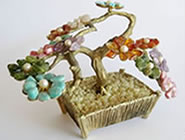
The First Tumbled Stone Gem Trees
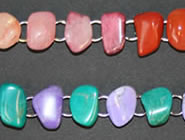
Steps for Making a Bracelet
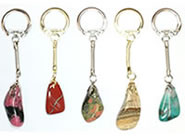
Steps for Making a Keychain
Swoboda Tumbled Stone Jewelry
Steps for Making a Tie-Tack
Return to Top
 Burnishing:
 Garnet: